How to Plan a First Classic Car Road Trip
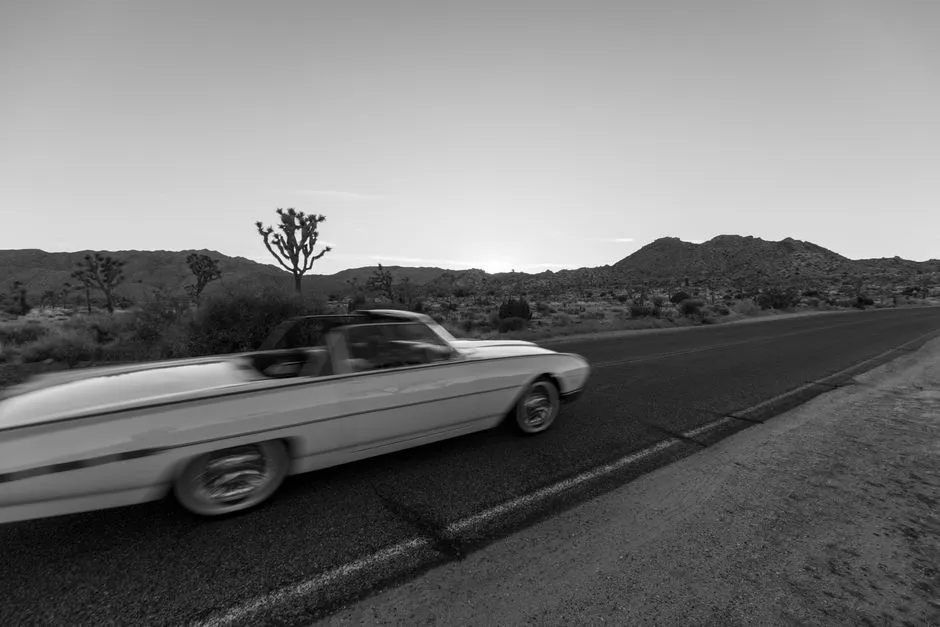
Prove the car locally before pointing at the horizon
Plan a first classic-car road trip by completing a qualified safety inspection, then running several progressively longer local shakedown drives in conditions similar to the trip. Fix faults, recheck fluid levels and fasteners as appropriate, map fuel and service options, confirm insurance and roadside coverage, and build a route with time margins, weather alternatives, and a safe stopping plan.
The first long drive should not be the car's first drive since an unknown restoration. That is not a shakedown; it is an audition for a tow truck with scenery.
Start with a roadworthy inspection
Have a technician familiar with the vehicle assess brakes, steering, suspension, wheel bearings, tires and spare, wheels, fuel system, cooling, belts, hoses, charging, battery securement, wiring, lights, wipers, exhaust, leaks, and required safety equipment. Correct dangerous faults before any road test.
Check registration, inspection requirements, license, insurance, and roadside-assistance terms for every jurisdiction on the route. Confirm who may drive, mileage or use limitations, towing distance, destination rules, and whether a modified or historic-plated vehicle is covered as planned. Obtain answers in writing.
The guide to inspecting a classic before purchase covers identity, title, rust, and project-scope checks that remain useful after the keys are yours.
Build a shakedown ladder
Begin with a stationary warm-up only when it can be done outdoors or in a properly ventilated professional setting; never run an engine in an enclosed garage. Watch instruments and inspect for leaks, smoke, fuel odor, overheating, or electrical trouble.
Then use a ladder:
- A short loop near home at modest speed.
- A longer drive with braking, turns, hills, and a restart.
- A sustained-speed drive similar to the trip.
- A loaded rehearsal with the actual luggage and passengers.
After each stage, look underneath, check fluid levels by the manual's procedure, inspect tire pressure when cold, and note noises, smells, gauge readings, and starting behavior. Do not reach near belts, fans, hot exhaust, or pressurized cooling components. Some electric fans can start unexpectedly.
Make one change at a time and repeat the relevant test. A successful ten-mile loop after replacing six unrelated parts reveals less than a methodical test, though it does produce a magnificent receipt.
Learn the car's normal readings
Record normal oil-pressure, temperature, charging, idle, and fuel-gauge behavior from the correct instruments and manual rather than copying another owner's numbers. Factory gauges may be approximate; added instruments must be installed correctly to be useful. Investigate changes instead of arguing with the needle.
Calculate practical fuel range from measured consumption on representative drives and the amount you can safely use—not nominal tank capacity alone. Add a margin and identify open fuel stations on sparse legs. Older engines may have fuel or additive requirements that depend on their build; get model-specific advice rather than pouring folklore into the tank.
More route and preparation guides live in Open Road.
Pack for this car, not every car ever built
Carry the correct spare, jack, wheel tool, and safe lifting instructions only if you know how to use them and roadside conditions permit it. Add basic tools sized for the actual fasteners, fuses of the correct type and rating, bulbs where serviceable, fluids specified by the manual, gloves, wipes, flashlight, warning devices allowed locally, phone power, water, and contact details.
Spare parts should reflect known weak points that you can diagnose and replace safely. A fan belt can be sensible; half a parts car in the trunk mainly reduces fuel range and creates a mobile rattling exhibit.
Consider an appropriately rated automotive fire extinguisher, securely mounted and reachable, after guidance from a qualified supplier. If fire occurs, stop, switch off if safe, evacuate everyone, move away, and call emergency services. Do not open a hot hood into flames or attempt to fight a growing fire.
Shape the route around mechanical and human limits
For the first trip, choose daylight roads with services, safe pull-offs, mobile coverage where possible, and alternatives to severe heat, steep grades, dense traffic, or sustained speeds the car has not demonstrated. Share the route and check-in plan. Schedule driver rests; noise, heat, heavy controls, and constant attention can make an old car more tiring than distance suggests.
Avoid leaving irreplaceable luggage or documents visible. Park where the car's dimensions, steering, locks, and visibility can be managed without improvisation. Ask accommodation providers about parking specifics instead of assuming “on-site” means sheltered, reserved, or suitable.
Know when the trip stops
Pull over safely for a new warning light, falling oil pressure, rising temperature, loss of charging, fuel smell, smoke, brake change, steering change, serious vibration, or unusual mechanical noise. Use hazard procedures appropriate to the road and call for qualified help.
If overheating is suspected, stop safely and switch off. Keep clear of traffic and hot components. Never remove a hot radiator or coolant cap; the pressurized system can release scalding fluid. Let a qualified person diagnose the cause. Adding water and hoping is not a repair plan.
Document the journey afterward: mileage, fuel, conditions, readings, faults, and repairs. Then shorten the maintenance list before lengthening the next route. The ideal first classic-car trip ends with photographs, a few useful notes, and the increasingly radical belief that the car might enjoy doing this again.