How to Inspect a Classic Car Before Buying
Buy the condition and documentation, not the glow
Inspect a classic car by confirming its legal identity and title, viewing the body and underside in good light, testing every system, and paying a marque-aware independent specialist for a pre-purchase inspection. Compare the purchase price with immediate safety work, deferred mechanical repairs, rust, parts availability, transport, registration, insurance, and the standard of restoration you actually want.
Best first classic: a complete, operable car with understandable history, sound structure, available parts, and flaws you can price.
Best project: one whose rust, missing pieces, modifications, paperwork, workspace, tools, and specialist needs are known before purchase.
Best reason to walk away: identity or title inconsistencies, unsafe structure, blocked inspection, unexplained fresh covering over problem areas, or a project that exceeds your money, skill, space, and patience at the same time.
The badge can make the heart enthusiastic. The inspection exists because hearts are notoriously weak on underbody corrosion.
Compare the broad condition levels
| Candidate | Best for | Why it can work | Worth knowing |
|---|---|---|---|
| Documented driver | Regular use and gradual improvement | Existing operation reveals more than boxes do | Cosmetic flaws and deferred work still need pricing |
| Older restoration | Buyers valuing completed major work | May offer settled, usable condition | Restoration quality varies beneath the finish |
| Preserved original | History and material integrity | Provides evidence of how the car aged | Original does not mean safe, unworn, or untouched |
| Modified car | A buyer who wants those exact changes | Upgrades may match intended use | Engineering, legality, parts, and workmanship require review |
| Non-running project | Experienced restorer with space | Lower entry price and complete control | Missing parts and unknown systems can multiply cost |
None of these labels establishes value. A “restored” car is a claim until invoices, photographs, measurements, materials, and current inspection show what work occurred.
Match the identity before assessing shine
Compare the identification number on the vehicle with the title and seller's documents. Older vehicles may use formats and stamped locations that differ from modern 17-character VIN conventions, so consult authoritative model references and the relevant motor-vehicle agency. Do not alter, clean aggressively, or restamp an identification area.
Check the seller's legal authority, lien status, title type, registration path, taxes, import papers where relevant, and whether the vehicle can legally be transferred and used where you live. Rules for historic plates, emissions, inspections, modifications, and insurance vary by jurisdiction.
In the United States, the Department of Justice's NMVTIS consumer guidance encourages buyers to obtain both an NMVTIS history report and an independent inspection. It explains that NMVTIS covers key title, brand, salvage, and related indicators but not the entire repair history. No report sees through steel.
Inspect the structure before the paint
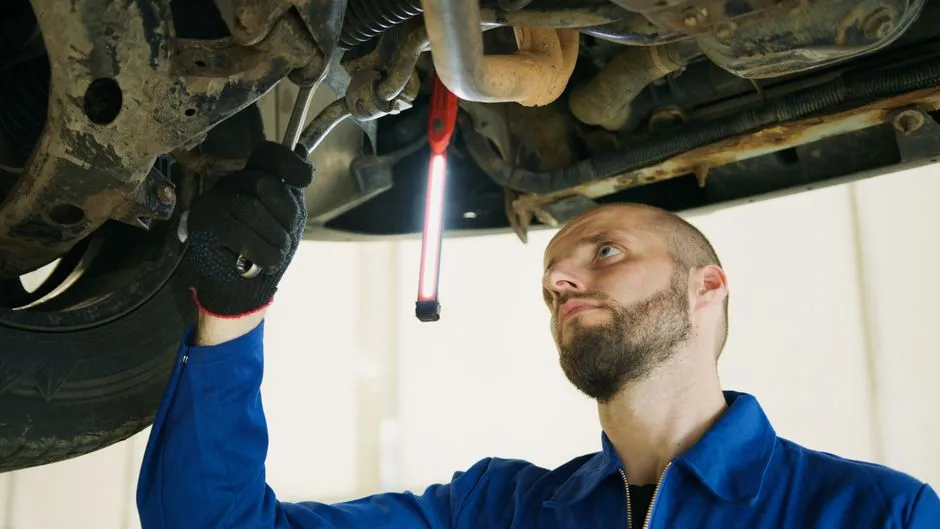
View the car dry, clean enough to inspect, and preferably cold. Look along panels for waves, uneven gaps, overspray, mismatched texture, cracking filler, bubbling, and poorly sealed seams. Use a flashlight on floors, rockers, frame or unibody rails, suspension and body mounts, wheel openings, trunk, battery area, windshield surrounds, and known drainage points for that model.
Surface oxidation and structural metal loss are not the same repair. Ask the inspector to identify perforation, previous patches, collision distortion, and compromised mounting points. Never crawl beneath a vehicle supported only by a jack; use a proper lift or rated stands on a safe surface under qualified control.
More purchase frameworks live in Garage Decisions.
Test cold start, hot behavior, and every control
Ask the seller not to warm the engine before arrival. Confirm fluid levels and visible leaks before starting. Observe warning lights, starting effort, smoke, noise, gauges, charging, idle, temperature, clutch or transmission operation, steering, brakes, suspension, and exhaust. Smell for fuel and hot wiring. A qualified inspector can perform compression, leak-down, pressure, electrical, or other tests when the model and symptoms justify them.
Operate lights, horn, wipers, washers, heater, ventilation, windows, locks, seats, instruments, and accessories. Check tire condition, size, date markings, spare, wheels, brake hoses, belts, fuel lines, and rubber components. Old appearance is not evidence of charming reliability.
A road test should include cold and warm behavior, low-speed turns, braking, varied speed, shifting, bumps, and restart—only if the car is registered, insured, roadworthy, and driven legally by an authorized person. Stop for unsafe steering, braking, fuel leaks, overheating, smoke, or serious noise.
Audit completeness and restoration claims
Inventory trim, glass, instruments, interior pieces, tools, spare parts, keys, manuals, and removed original components. Rare missing pieces can stall a project more effectively than a large obvious repair. Photograph condition and numbers with permission.
Treat “matching numbers” as incomplete wording. Ask which components, which identifying marks, what source defines correctness, and what evidence supports the claim. Replacement parts can make a better driver; undisclosed claims make a worse transaction.
The first classic-car road-trip guide shows the standard of shakedown even a purchased driver should complete before a long journey.
Turn findings into one project total
Ask the inspector to divide work into unsafe now, reliability soon, functional later, and cosmetic optional. Obtain realistic quotes from shops qualified for the model. Add transport, storage, tools, parts shipping, taxes, registration, insurance, and a contingency for hidden conditions.
Make the offer—or decline—based on that written scope. A pre-purchase inspection may feel expensive when the car looks wonderful. Compared with discovering that the wonderful paint is the most structural member of the vehicle, it is a remarkably economical afternoon.