Classic Car Test Drive Tips: Observe Before You Buy
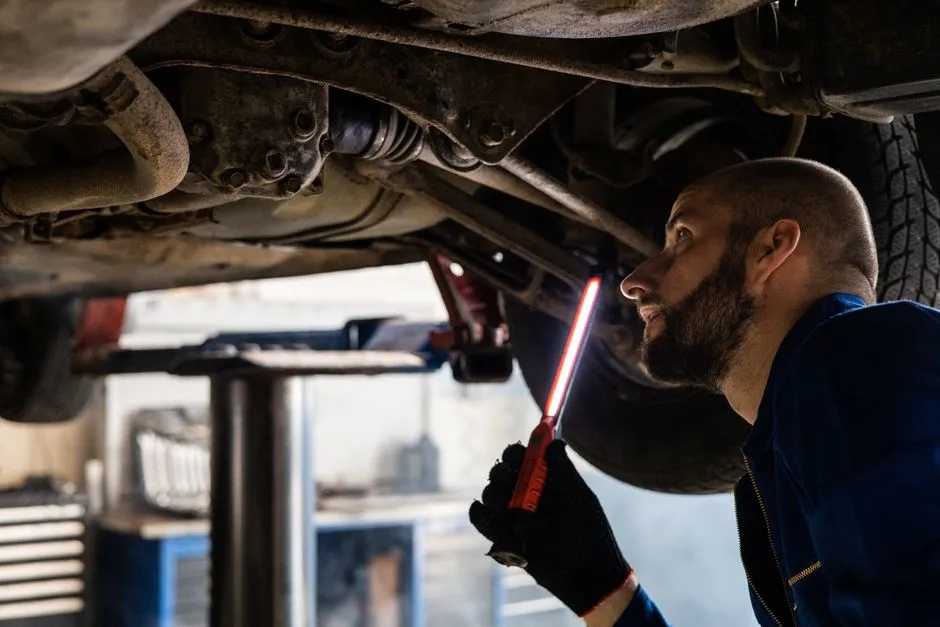
- How should you approach a classic car test drive?
- What must be settled before the engine starts?
- What should you ask about the cold start?
- How should the route and controls be agreed?
- Which sounds and sensations should go into the record?
- What should happen if the drive becomes unsafe?
- What should you record after returning?
- How do you discuss findings before making an offer?
- Sources
How should you approach a classic car test drive?
Arrange an independent specialist inspection before any road test, confirm permission and insurance for the actual driver, and leave the driving assessment to a qualified professional familiar with the car. Observe the cold start, ordinary driving and warm return if the specialist considers them safe. Record when sounds, smells or changes occur without diagnosing them. Do not attempt hard stops or continue through a suspected safety problem; resolve findings before buying.
A useful test-drive record answers a narrower question than a buying checklist: what happened while this particular car was operating, under which conditions, and what remains unexplained? It should give your inspector something precise to investigate. A pleasant drive does not establish the condition of parts you cannot see.
What must be settled before the engine starts?
Begin with our classic-car inspection checklist for the static appointment and paperwork. Ask an independent, appropriately qualified specialist to assess whether the vehicle can safely undergo a road test. Hagerty recommends professional inspection and points to shops with expertise in particular makes and models.
Confirm the seller's permission, the driver's licence and the insurance arrangements for that exact driver and vehicle. The AA's test-drive guidance says to speak to your insurer when cover is uncertain. Have the relevant local authority resolve any registration or road-use question. Possessing the keys does not settle these matters.
Tires deserve specific attention on a seldom-used classic. NHTSA explains that collector vehicles can be vulnerable to tire aging and that you cannot determine aging simply by looking. Ask the specialist to assess age, condition and applicable manufacturer guidance; visible tread alone is insufficient reassurance.
If safe and lawful driving remains unresolved, arrange professional transport or an inspection where the car stands. Riding as a passenger does not make an unsafe vehicle acceptable.
What should you ask about the cold start?
Arrange the appointment so the engine has not already been warmed, if the seller and specialist can accommodate that. The AA recommends observing a used car from cold. If you arrive after it has run, write “cold start not observed”; do not convert a missing observation into either a pass or an accusation.
Have the person familiar with the vehicle operate its starting controls according to the correct manual. Ask them to identify any nonstandard engine, ignition or fuel-system equipment before the demonstration. Do not experiment with an unfamiliar choke or repeated starting attempts yourself.
Choose an outdoor demonstration. CDC warns never to run a car in an attached garage, even with the door open. Carbon monoxide is odorless and colorless; an absence of smell cannot establish safety. Exhaust leaks can also allow it to accumulate inside a car.
From a safe position, note whether starting was observed from cold, whether the operator needed another attempt, and whether a sound continued after the engine settled. These are observations for the specialist, not a diagnosis of a battery, carburetor or internal engine fault.
How should the route and controls be agreed?
Before moving, ask the professional driver to explain the controls, fitted transmission and any relevant modifications. Check your seating position and available restraints. The AA includes seating, visibility and control layout in its test-drive checks; a viewing is also an opportunity to discover whether the cabin suits you.
Our suggested appointment plan is a short, ordinary route selected by the specialist for the car, traffic and conditions. Agree where the drive ends and who records observations. Include different normal road conditions only when the specialist considers them appropriate. A route should not demand high speed, harsh acceleration, a steep hill or an emergency-braking demonstration.
As a passenger, avoid distracting the driver with running commentary. Save questions for a safe stop. If the inspector drives alone, ask for the same written observations afterward. “Not assessed” is a useful entry when conditions prevent a check; it is not an invitation to improvise another test.
Which sounds and sensations should go into the record?
Hagerty identifies unusual engine vibration and knocking, transmission grinding or clunking, and noises or vibration during braking as reasons for concern. Have the specialist interpret these on the actual vehicle. Do not accept a safety defect as normal merely because the car is old.
Separate the event from an assumed cause:
| Area | Useful observation to record | Question for the specialist |
|---|---|---|
| Engine | When a knock or uneven running occurred | What examination is required before further operation? |
| Transmission | Which ordinary gear change produced a crunch or hesitation | Does the fitted transmission explain this, or is repair needed? |
| Brakes | A scrape, vibration or change noticed during normal braking | Should the assessment stop pending brake inspection? |
| Steering | The driver's report of a change in response or vibration | What needs checking before the vehicle returns to service? |
Never provoke a symptom to complete the table. The professional decides whether further operation is safe. The buyer's task is to preserve what was actually observed, including the driver's words when the buyer could not feel the control directly.
What should happen if the drive becomes unsafe?
For a suspected braking, steering or other safety problem, end the assessment and have the driver stop safely. Arrange qualified assistance; do not continue just to finish the route. Fuel or exhaust odors require assessment, not a roadside experiment with a running engine.
If the vehicle catches fire, the US Fire Administration instructs drivers to pull over when safe, stop the engine, get everyone out and keep everyone at least 100 feet away and clear of traffic. Call 911 in the United States, or the local emergency number elsewhere. Do not return, fight the fire yourself, or open a hood or trunk where fire is suspected.
What should you record after returning?
If the assessment finishes safely, ask the specialist about the temperature indication and any warm restart they considered appropriate. RAC's used-car checklist distinguishes starting from cold, restarting warm and observing the temperature gauge. Use the actual vehicle's specifications; a generic warm-up time is not a pass criterion for every classic.
Do not open hot cooling-system caps or reach into a running engine bay. Leave temperature, leak and mechanical investigation to the qualified specialist following the correct manual.
Here is a fictional appointment record, offered as a format rather than evidence about a real car:
- Observed: Cold start shown outdoors; seller operated the controls.
- Reported by driver: Scraping heard during an ordinary brake application; assessment ended.
- Not assessed: Remaining route and warm restart.
- Next action: Independent brake inspection before further driving; request written findings.
How do you discuss findings before making an offer?
Use the record to ask a specific question: “The driver reported scraping during braking. May my inspector investigate and provide a written assessment?” That is more useful than asserting a failed component or inventing a repair price.
For US dealer purchases, the FTC recommends independent mechanical inspection, even for a dealer-inspected or certified vehicle. Ask for a written report identifying the car and estimating necessary repairs. A history report does not replace this examination. If inspection access is refused, consider another vehicle rather than treating the unanswered question as resolved.
Keep observations, the specialist's findings and the seller's responses together before deciding whether to proceed. Our garage-decisions section covers the wider ownership decision; open-road articles concern later travel planning. Neither enthusiasm for the car nor a completed route replaces the outstanding inspection work.